
Discover how flowers, geography, and nature give every jar of honey its own unique flavor.
Have you ever tasted two different types of honey and wondered why one was light and delicate while the other was rich, bold, or even slightly earthy? At first glance, honey may seem like a simple ingredient. It's sweet, golden, and something many of us have enjoyed in our tea, drizzled over biscuits, or stirred into our favorite recipes. But there's much more to honey than its sweetness.
Just like coffee, chocolate, and wine, honey has its own flavor profile. Some varieties are mild and floral, while others have deeper, more complex notes. You might even notice hints of citrus, caramel, or something that reminds you of the outdoors.
At Mama Honee, one of the things we love about exploring different varieties of honey is discovering just how unique each one can be. Every jar has a story, and much of that story begins long before the honey reaches our table.
It All Starts With the Flowers
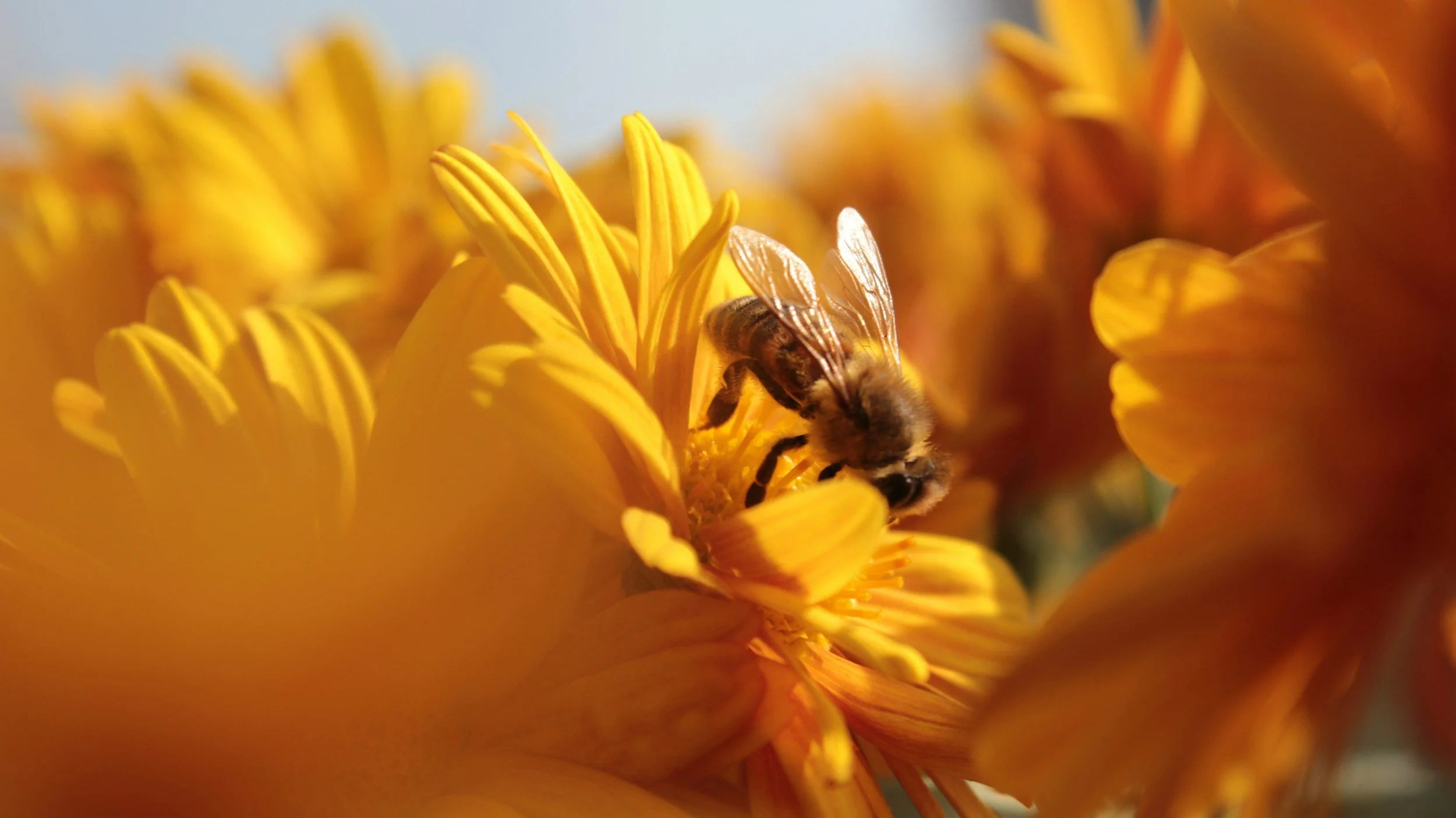
One of the biggest factors influencing the taste of honey is the type of flowers honeybees visit while collecting nectar. Bees gather nectar from flowering plants and bring it back to their hives, where it is transformed into honey.
Different flowers produce nectar with different natural characteristics, which ultimately influence the honey's flavor, aroma, and color.
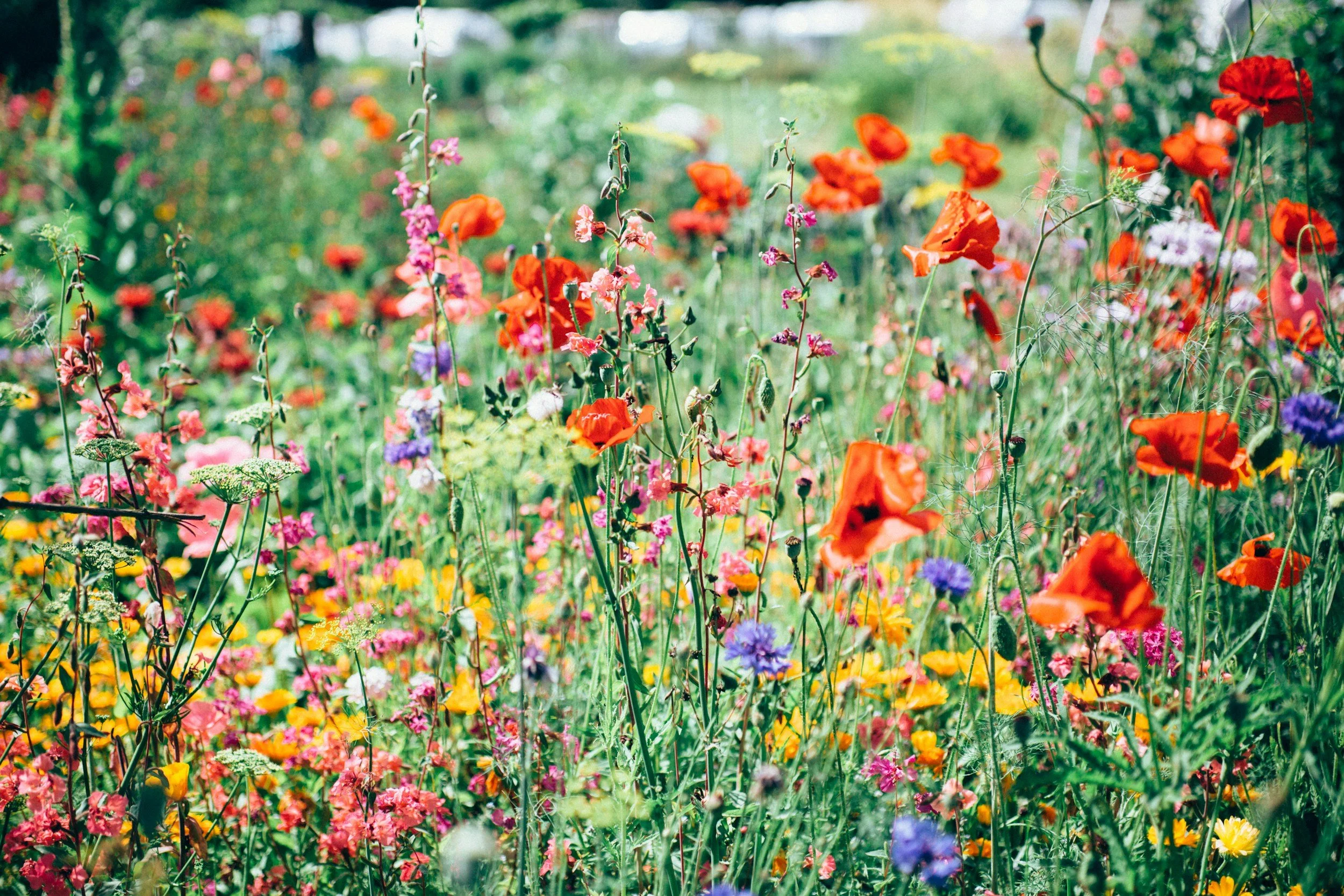
For example, honey made primarily from orange blossoms often has a delicate citrus-like aroma and a light, refreshing sweetness. Wildflower honey, on the other hand, can have a more layered flavor because the bees may collect nectar from several different types of flowers.
This is also why two jars labeled wildflower honey may not taste exactly the same. The combination of flowers available to the bees can change depending on where the honey was produced and when the nectar was collected.
Think of it this way: just as two gardens may contain different flowers, two hives can produce honey with noticeably different flavors.
Location Makes a Difference, Too
Where honey comes from plays an important role in its flavor. The plants, climate, soil conditions, and seasonal blooms in a particular region all influence the nectar available to honeybees.
Honey produced in a warm, coastal environment may have a different flavor from honey produced in wooded areas, open fields, or agricultural communities.
Even within the same region, honey harvested during the spring may taste different from honey collected later in the summer or fall. That's because the flowers blooming during each season can vary.
In a way, honey captures a little piece of the environment where it was created. Its flavor reflects the plants growing nearby and the natural rhythms of the season.
That's one of the reasons trying different honey varieties can be such an interesting experience. Each one offers a small taste of a particular place and time.
Why Does Some Honey Taste Stronger Than Others?
If you've ever compared a light golden honey with a dark amber variety, you may have noticed a difference in flavor intensity.
Generally speaking, lighter-colored honey tends to have a milder, more delicate taste. Darker honey often has a stronger, richer flavor with more pronounced characteristics. However, this isn't a strict rule, and there are plenty of exceptions.
Some honey varieties may have floral or fruity notes, while others can taste earthy, woody, or slightly spicy. These flavors occur naturally because of the nectar sources and the compounds found within the honey.
And here's something interesting: honey doesn't need to have added flavors to taste like flowers, fruit, or caramel. Those subtle characteristics can develop naturally.
That's part of what makes tasting honey so enjoyable. You may discover flavors you never expected to find in something as familiar as a spoonful of honey.
Getting to Know Different Honey Varieties
At Mama Honee, we enjoy introducing our customers to honey varieties that offer different flavors and experiences. Whether you prefer something light and familiar or you're interested in trying something a little more adventurous, there's plenty to explore.
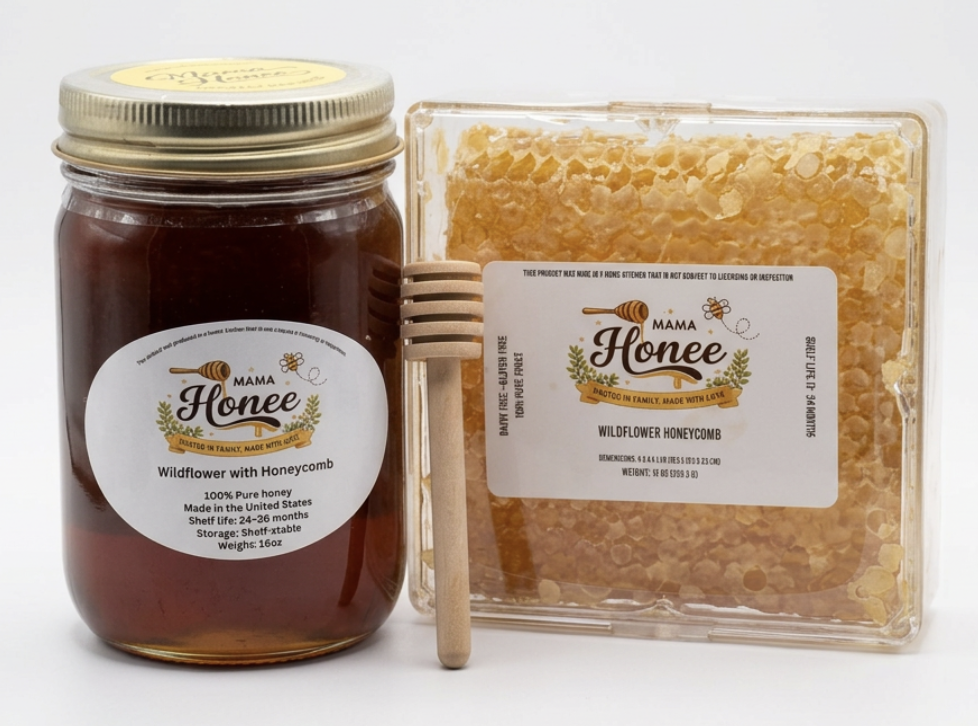
Wildflower Honey: Wildflower honey is a favorite because of its versatility. Since bees collect nectar from a variety of flowers, its flavor can range from gently floral and sweet to more complex and full-bodied. It's a wonderful everyday honey for tea, oatmeal, yogurt, baking, and homemade dressings.
Orange Blossom Honey: Known for its delicate floral aroma and subtle citrus notes, orange blossom honey offers a lighter, refreshing flavor. It pairs beautifully with tea, fresh fruit, pastries, and breakfast favorites.
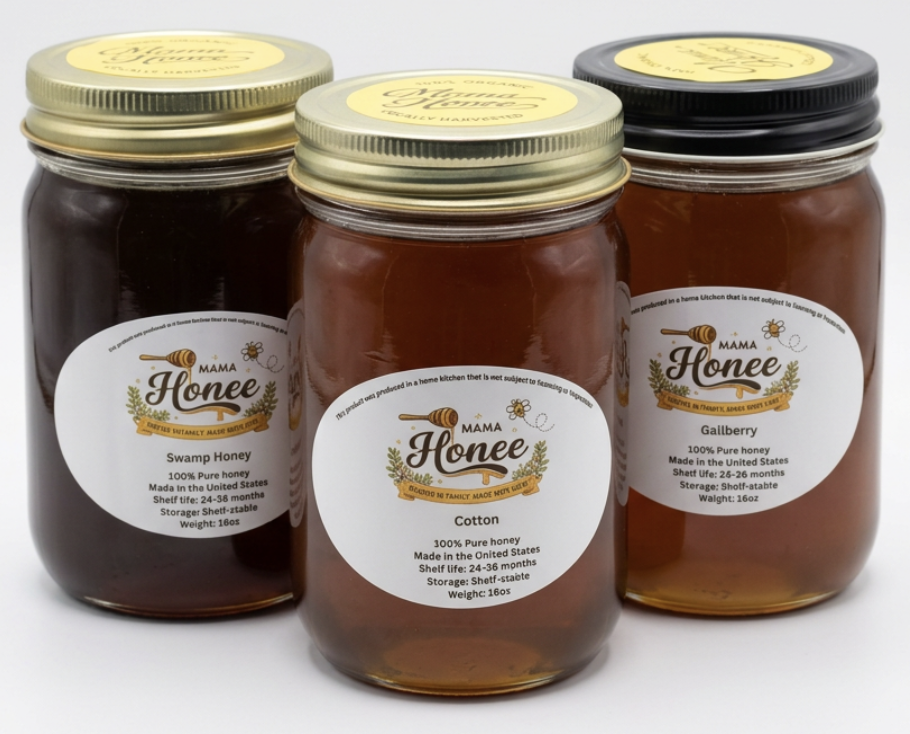
Swamp Honey: Don't let the name fool you. Swamp honey can offer an interesting and complex flavor experience. Depending on the nectar sources found in wetland environments, it may have rich, earthy, floral, or woody characteristics. It's an excellent variety for anyone who enjoys exploring distinctive honey flavors.
Cotton Honey: Produced from nectar collected from cotton blossoms, cotton honey is often described as having a mild, smooth sweetness. Its approachable flavor makes it a versatile choice for everyday use, including baking, beverages, and drizzling over warm biscuits.
Gallberry Honey: Gallberry honey comes from the blossoms of gallberry plants, which grow in parts of the southeastern United States. Often appreciated for its smooth texture and rich, balanced sweetness, this variety can offer a distinctive flavor without being overwhelming.
Every honey variety has its own personality, and even honey from the same floral source can vary from one harvest to another. That's why exploring different varieties is part of the fun.
Does the Texture of Honey Affect the Experience?
Flavor isn't the only thing that makes honey unique. Texture can also change how we experience its sweetness.
Some honey is smooth and easy to pour, while other varieties may naturally become thicker or develop crystals over time. Crystallization occurs when some of the natural glucose in honey separates from the liquid and forms crystals. It's a normal process and doesn't automatically mean the honey has gone bad.
Then there's creamy honey, which has a smooth, spreadable consistency created through controlled crystallization. Although the basic ingredients remain honey, the texture can make it feel like an entirely different treat.
Honeycomb offers another experience altogether. With honey still held inside its natural beeswax cells, honeycomb combines sweetness with a soft, chewy texture.
Whether you enjoy honey straight from the spoon, spread over toast, or paired with your favorite foods, its texture adds another layer to the experience.
How to Discover Your Favorite Honey Flavor
One of the easiest ways to appreciate different honey varieties is to taste them side by side. You don't need to be a honey expert to notice the differences. All you need is a little curiosity and a few small samples.
Start by choosing two or three varieties. Take a moment to observe the color and smell each honey before tasting it. Then try a small spoonful and pay attention to what you notice.
Does one taste sweeter than the others? Is there a floral aroma? Does the flavor remind you of citrus, caramel, or something earthy? Does the sweetness disappear quickly, or does the flavor linger?
Between samples, take a sip of water to refresh your palate.
You can also experiment with pairing different varieties with foods you already enjoy. Try a mild honey with fresh fruit or yogurt, a bolder honey in a homemade glaze, or a floral variety in your favorite cup of tea.
You may discover that you prefer one honey for breakfast and another for cooking or baking. And that's perfectly fine. There's no rule that says you have to choose just one favorite.
Every Jar Has a Story
The next time you open a jar of honey, take a moment to appreciate everything that went into creating it. From the flowers growing in a field to the bees gathering nectar and the natural environment surrounding their hive, every step contributes to the finished product.
Honey is more than a sweetener. It's a reflection of nature, geography, and the remarkable work of honeybees.
At Mama Honee, we believe that exploring honey should be an experience filled with curiosity, discovery, and a little sweetness along the way. Our family business is rooted in bringing people together, sharing what we're learning, and encouraging others to discover the many ways honey can become part of their everyday lives.
So whether you're reaching for a familiar jar of wildflower honey or trying something new like swamp or gallberry honey, we hope you'll take the time to enjoy what makes each variety special.
After all, sometimes the sweetest discoveries come from trying something different.
From our family to yours, stay curious and keep life sweet.
With love & sweetness,
The Mama Honee Family
Rooted in Family, Made with Love.